
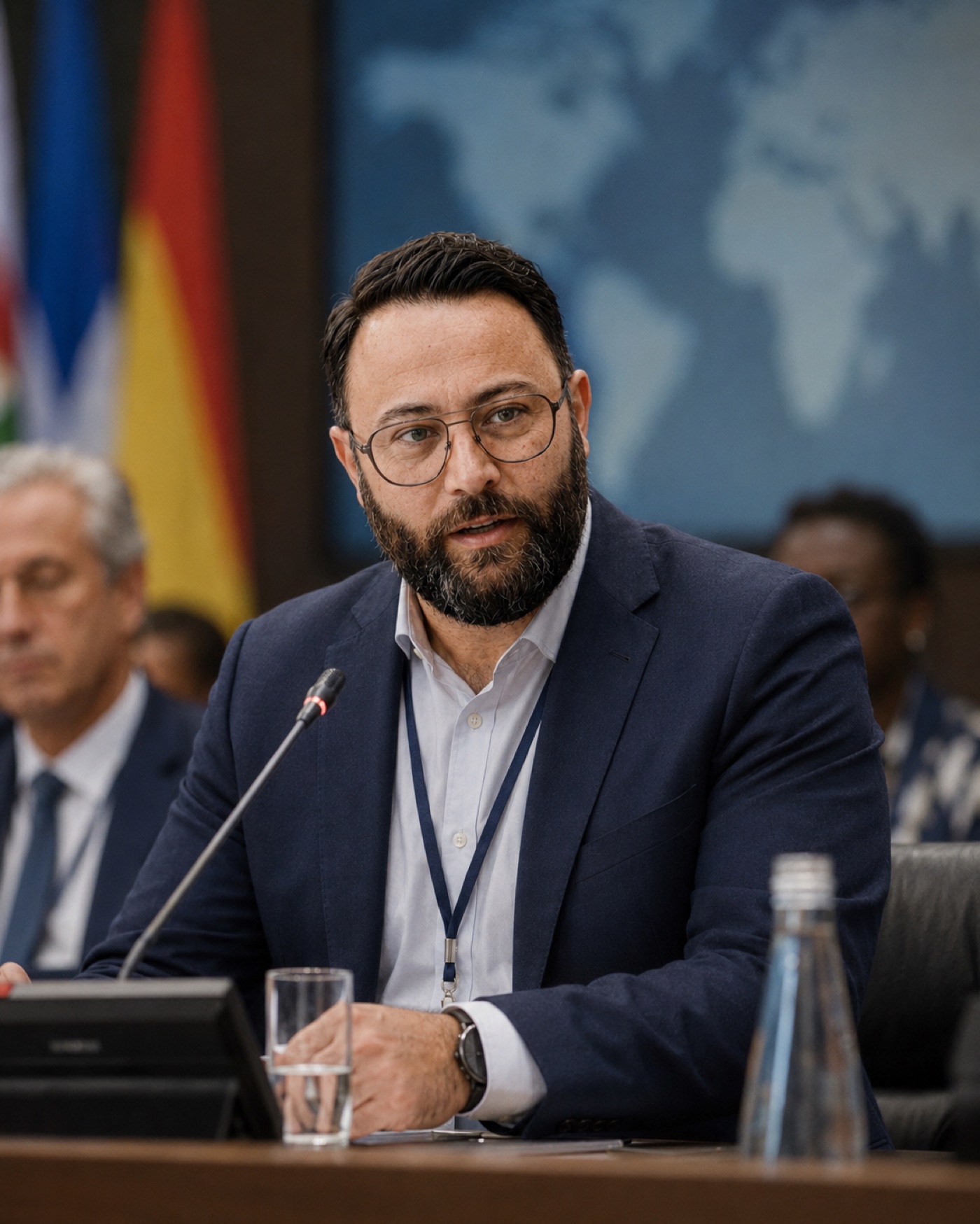
 AI-generated illustration
About the founder
Turning change into practical systems.
The Change Architect is an independent platform for humanitarian governance, learning, publishing, and organization readiness. It is led by Mohammed Al-Hajjaj, writing as Olaf Dawson.
AI-generated illustration
Founder
One founder, connecting field experience with institutional design.
The public pages, training pathways, templates, and institutional roadmap are being built around a simple standard: useful ideas must become credible systems.
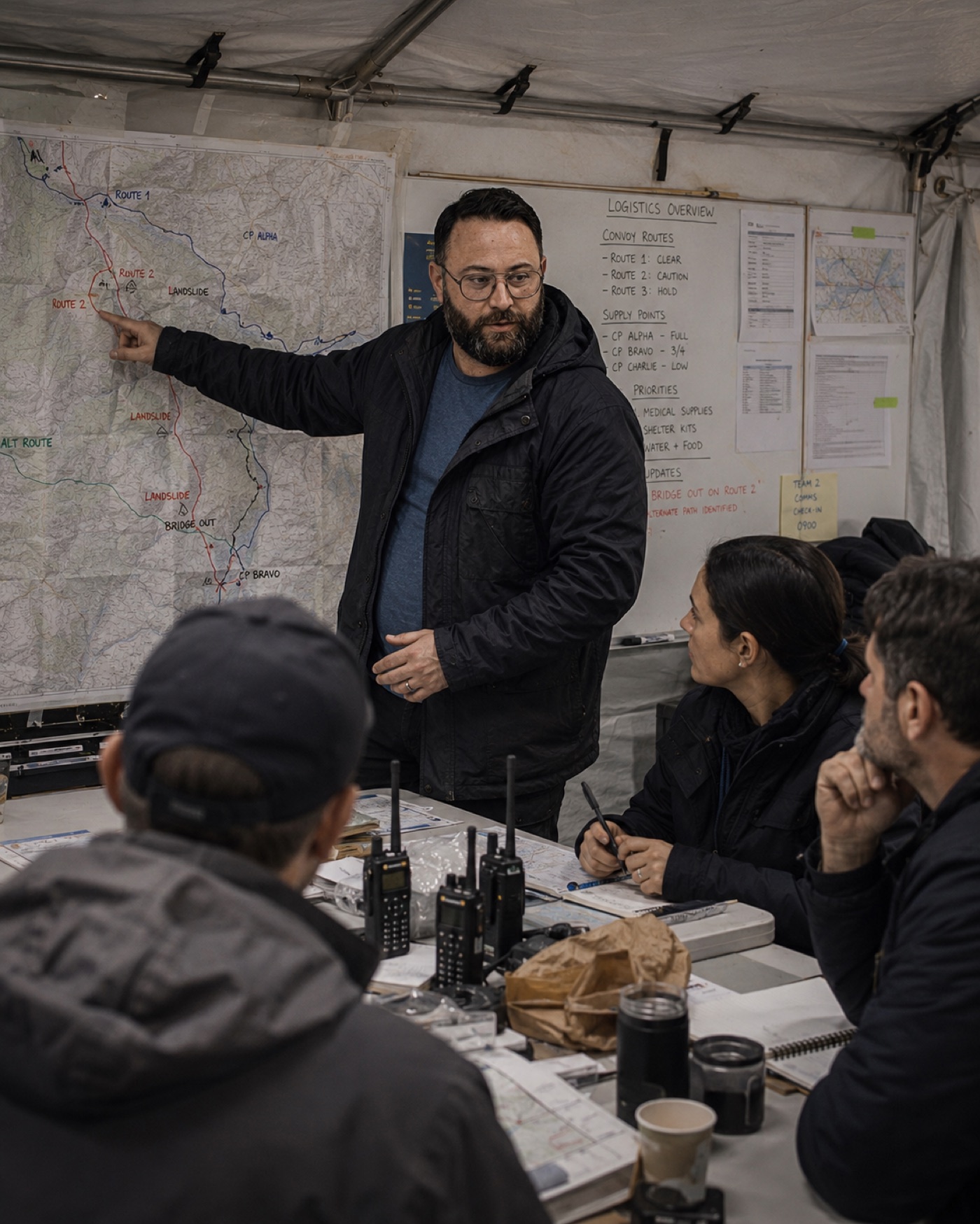 AI-generated illustration
Founder
Mohammed Al-Hajjaj
Writing as Olaf Dawson, Mohammed leads the research, platform architecture, publishing direction, and institutional roadmap behind The Change Architect. His background brings together humanitarian and development programme leadership, emergency response, operations management, logistics, procurement, supply chain, training design, donor relations, and local-organization capacity building.
His MBA thesis examined sustainable funding and resource mobilization for local NGOs in the MENA region, which now anchors the platform's focus on financial sovereignty, organization readiness, and practical systems that local actors can actually use.
Source-backed foundation
Experience, research, and quality practice working in one direction.
The platform is not only a content site. It is being built from a practical record of programme management, logistics, donor relations, fraud-prevention training, local NGO financing research, and quality review.
Seventeen years of work across humanitarian, development, business, logistics, procurement, programme management, training, and organizational operations inform the platform's practical tone.
The MBA research focused on effective strategies for sustainable funding and resource mobilization in local NGOs in the MENA region, including donor relationships, diversified funding, accountability, and financial resilience.
The platform's public language, course boundaries, certificate controls, and organization-readiness tools are shaped around quality, evidence, safe claims, and operational usefulness.
What it is
A working platform, not a slogan.
The work brings together research, essays, practical templates, the TCAA Academy, a member portal, publishing pathways, and a growing organization-intelligence layer. The aim is to help humanitarian practitioners, local organizations, researchers, and students move from scattered information to usable institutional capacity.
Its direction is shaped by problems Mohammed has seen repeatedly in the sector: fragile funding, weak internal systems, unclear accountability, lost institutional memory, and useful knowledge that never becomes operational practice.
Current status: The Change Architect is independent and is building toward a registered organization. It is not yet a registered charity, NGO, formal academic board, peer-reviewed journal, or field implementation network.
What connects here
ResearchTCAA AcademyTemplatesMember portalPublishingDirectoryPartnersAdvisory
The platform is being shaped as a professional public front for future institutional work: registration, advisory governance, fundraising readiness, verified organization profiles, carefully governed partner services, and a stronger bridge between research, training, and field-ready implementation.
Founder
Mohammed Al-Hajjaj, writing as Olaf Dawson.
The work is rooted in humanitarian operations, NGO systems, governance, funding architecture, institutional memory, and the hard practical question of how organizations become trustworthy enough to carry responsibility.
Mohammed's professional record includes programme leadership, child protection and education programming, logistics and fleet systems, procurement and tendering, fraud-prevention capacity development, financial-service project support, donor reporting, and organizational policy development.
The pen name Olaf Dawson is used openly for publications and the Confluence Series. The platform keeps that authorship transparent.
Use it now
Start with what is already useful.
- browse essays, books, field notes, and research work
- use governance, finance, safeguarding, MEAL, and donor-readiness templates
- enter TCAA Academy for learning and certification pathways
- submit papers, studies, essays, or field notes for editorial review
- follow the institutional roadmap and partner-development direction